Biotin, Explained: The Best-Known Ingredient In This Formula
Biotin is one of the most recognisable vitamins in the beauty-supplement category, widely marketed for skin, hair and nail support.
Understanding what the research actually supports, and where the popular marketing outpaces the evidence, helps set realistic expectations.
What Biotin is
Biotin, also called Vitamin B7, is a water-soluble B-vitamin involved in the metabolism of fats, carbohydrates and proteins. It plays a genuine, well-documented structural role in keratin, the protein that makes up the bulk of hair, skin and nails.
What the research actually shows
Biotin deficiency, though uncommon in people eating a varied diet, is associated with hair thinning, skin rashes and brittle nails. This deficiency-correction research is where biotin's reputation for hair, skin and nail health largely originates, and it is summarised by the NIH Office of Dietary Supplements.
The gap between deficiency correction and general supplementation
Most adults eating a normal diet are not biotin deficient. The clinical evidence for biotin improving hair, skin or nail appearance in people who are not deficient is considerably thinner than the popular marketing around it suggests. Some small studies on brittle nails have shown modest benefits, but large-scale evidence in non-deficient adults is limited.
Why it is still a reasonable inclusion
Even without dramatic supplementation-specific evidence in non-deficient adults, biotin's structural role in keratin makes it a logical, low-risk inclusion in a beauty-focused formula, particularly alongside other nutrients addressing complementary mechanisms.
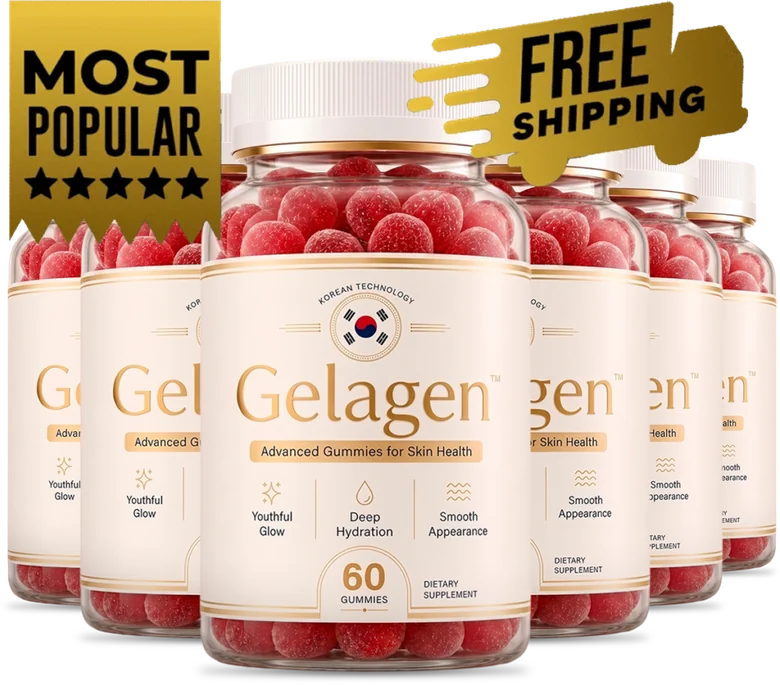
Applying this to Gelagen
Biotin is the lead, most recognisable ingredient in Gelagen's five-ingredient formula. It is a reasonable, low-risk choice for this category, though its benefit is best understood against a background of a normal diet rather than as a standalone dramatic transformation.